


Kingston SE Who's Who
YOUR COMMUNITY. YOUR CONNECTIONS.
Meet the people behind the place.
Discover the people, businesses and groups who call Kingston SE home, and meet members across Australia.
Each Portrait connects you with the public introduction and links that member has chosen to share.
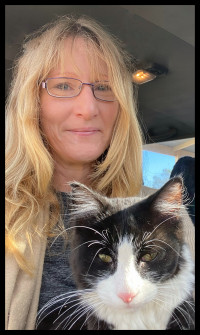
Anne M Banks
Anne has been working with animals for over 30 years. Animals are a big part of her life & give meaning to all aspects. Providing a professional, ca…
View Public ProfilePART OF THE WIDER NETWORK
Meet members across Australia
Discover members from other towns, cities and regions.


Distinguished and Famous people from Kingston SE
🌟 Archibald and James Cooke
Brothers Archibald and James Cooke were important figures in Kingston’s development as a colonial trading port. From 1863, their stores and shipping offices operated at the corner of Marine Parade and Hanson Street. They also campaigned for the railway linking Kingston and Naracoorte, opened in 1877, so that inland wool and wheat could reach ships in Lacepede Bay. Their story ties commercial ambition to the practical problem of moving heavy produce. The surviving heritage trail identifies the sites of their businesses and the railway infrastructure, grounding their local association in places rather than a general claim of regional prominence.
🎵 Paul Kelly
Paul Kelly’s contribution to Kingston is hard to overlook: he designed and built the Big Lobster in 1979. Affectionately called Larry, the 17-metre structure grew from an idea the Backler family brought home after seeing a similar attraction in the United States. Their proposed Kingston venture promoted the South East’s seafood, wine and cheese. As public sculpture and roadside advertising, Larry combines two ambitions rather efficiently: celebrating the district’s produce and ensuring passing travellers notice it.
🤝 Ruby Hammond
Ruby Hammond was born at Kingston SE in 1936 and completed her Intermediate Certificate at Kingston Area School in 1952. Early local jobs confronted her with discrimination, including shop work that kept her out of customers’ sight. In Adelaide she developed a formidable career in advocacy, legal rights and public administration, later leading the State Aboriginal Issues Unit for the Royal Commission into Aboriginal Deaths in Custody. She also used theatre and film to encourage understanding. Kingston’s connection includes birth, schooling and employment, placing the beginnings of her public commitment within experiences of ordinary working life as well as later official appointments.
